


The Indonesian Navy has detained a Comoros-flagged cargo ship carrying 405 tonnes of sodium perchlorate, a chemical used in industrial processes and the production of solid rocket propellants. The vessel, MV Star Line, was reportedly travelling from China’s Lianyungang port to Mongla in Bangladesh when it was intercepted off Belawan, North Sumatra, on 7 November 2026.
The discovery, announced on 20 November, has raised questions about the shipment’s intended recipient, the vessel’s registration and the movement of sensitive dual-use materials through international trade. Authorities also uncovered millions of blank SIM cards aboard the ship.
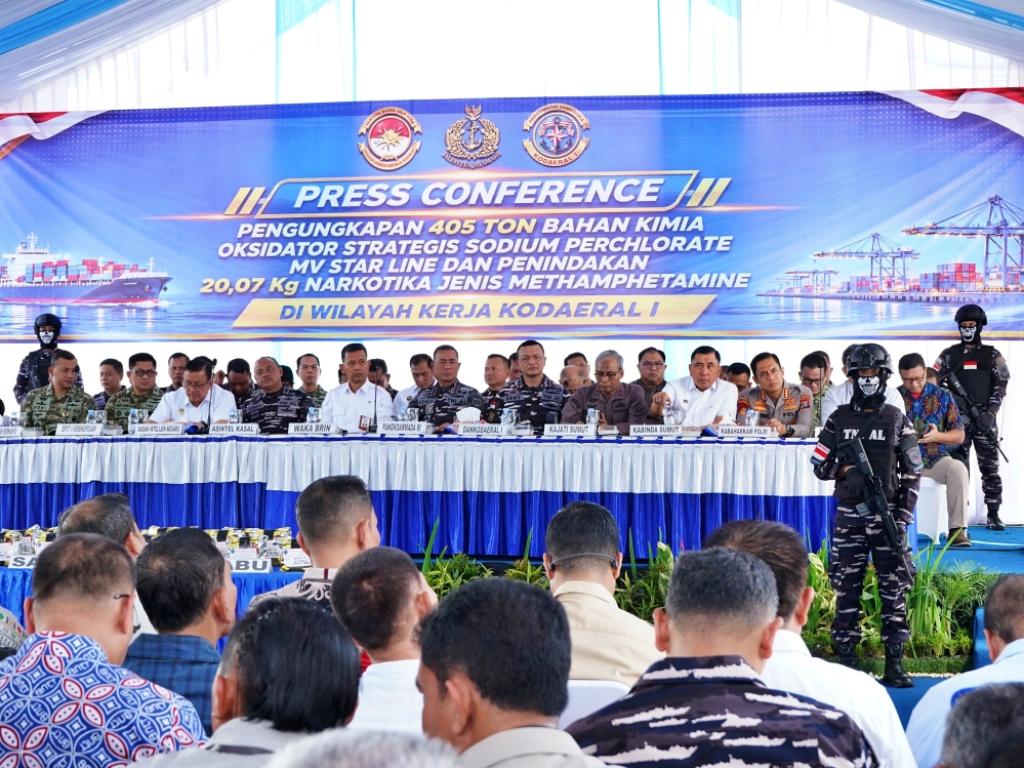
Analysis of the ship : the MV Star Line
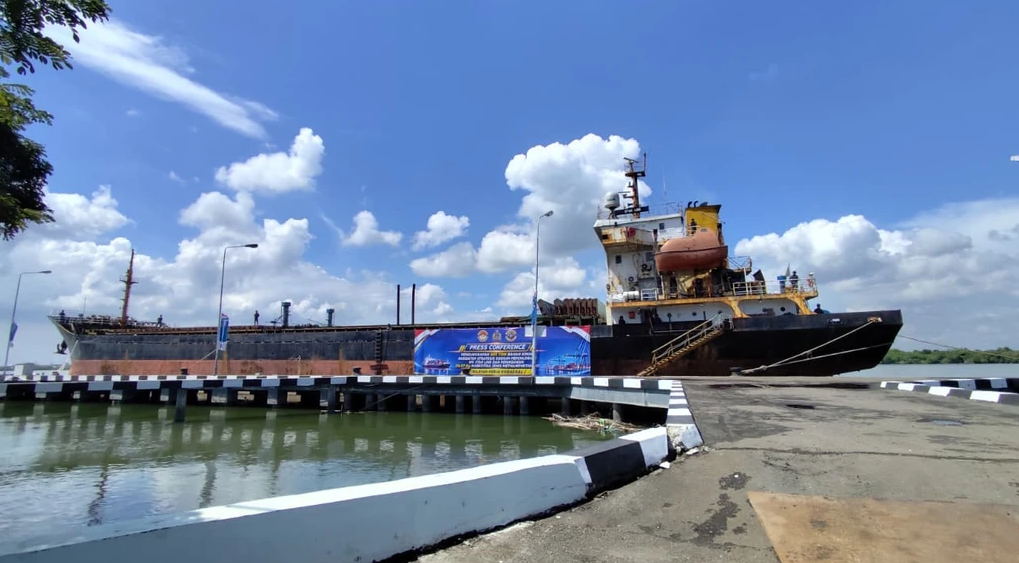
The Indonesian Navy’s patrol vessel KRI Sigalu-857 intercepted MV Star Line on 7 November after observing suspicious movements near Belawan.
According to the Indonesian Navy’s official account, the vessel failed to respond to radio communications and appeared to use a proposed refuelling stop at Belawan as a pretext to avoid inspection.
The ship was subsequently detained at Belawan New Container Terminal. An inspection of its 36 containers revealed 405 tonnes of sodium perchlorate distributed across 15 containers, alongside 54 pallets containing millions of blank 4G SIM cards. Rear Admiral Deny Septiana, commander of Naval Regional Command I, said authorities were examining the chemical cargo and possible shipping violations. The investigation involves several Indonesian agencies, with responsibility for the shipment yet to be established.
The vessel’s documentation has also attracted scrutiny. According to India Today’s reporting, its registration was reportedly suspended despite documents indicating a later expiry date. Authorities are also investigating possible deficiencies in safety equipment and hazardous-cargo procedures. Public vessel databases identify the ship as IMO 8356962, a general cargo vessel built in 2009. Its reported history includes previous names and flag changes, while commercial records identify companies associated with its management in China and the United Arab Emirates.
Sodium perchlorate: A chemical with documented missile applications
The quantity and nature of the cargo are central to the investigation. Sodium perchlorate is a powerful oxidising chemical used in several industrial processes. It can also serve as a precursor in the manufacture of ammonium perchlorate, an important oxidiser in certain solid rocket propellants.
Its military relevance is well documented. In April 2025, the US Treasury announced sanctions against a China–Iran procurement network accused of facilitating sodium perchlorate supplies linked to Iran’s ballistic-missile programme. Earlier reporting by the Wall Street Journal also examined Chinese shipments of the chemical associated with Iranian missile production.
These precedents demonstrate why a 405-tonne consignment attracts attention. They do not, however, establish any connection between MV Star Line and Iran’s weapons industry. An Indonesian naval official reportedly suggested that the quantity could be sufficient to support production of approximately 100 missiles. Such an estimate depends on the intended manufacturing process and missile design and has not been independently substantiated.
The chemical is not itself a finished missile propellant, nor is its commercial transport automatically illegal. Under the International Maritime Dangerous Goods Code, sodium perchlorate is classified as an oxidising substance, requiring appropriate documentation, packaging and handling. The legal question is therefore whether the shipment complied with applicable dangerous-goods regulations, export controls and customs requirements and whether its declared destination reflected its actual intended use.
The challenge of controlling dual-use materials
The reported shipment from China’s Lianyungang port to Mongla in Bangladesh raises a central question: who was the intended end user of the 405 tonnes of sodium perchlorate?
The chemical has legitimate industrial applications, but its potential role in solid rocket propellant production makes it sensitive from a security perspective. Previous cases involving Chinese exports linked to Iran’s missile programme demonstrate how commercially available materials can enter military procurement networks. No evidence currently connects MV Star Line to those operations.
The cargo’s origin in China does not establish Chinese government involvement, nor does its destination in Bangladesh prove a military purpose. Indonesian investigators have yet to publicly identify the importer, consignee or final intended use. The millions of blank SIM cards discovered aboard the vessel raise separate questions about cargo declarations and import compliance, but no connection to weapons production has been established.


