


When Kremlin propaganda attempts to put on a show during major strategic exercises, it frequently forgets that reality has a habit of tearing down cardboard-cutout stage sets. The Tsentr 2026 exercises demonstrated this brilliantly, particularly through their naval component deployed across the enclosed waters of the Caspian Sea. Behind Moscow’s triumphant press releases boasting of naval “projection power” lies a pathetic truth: a weathered flotilla bogged down in total obsolescence, utterly incapable of masking the rotting core of Russia’s defense-industrial base.
1. The Caspian flotilla: a floating museum of antiquities
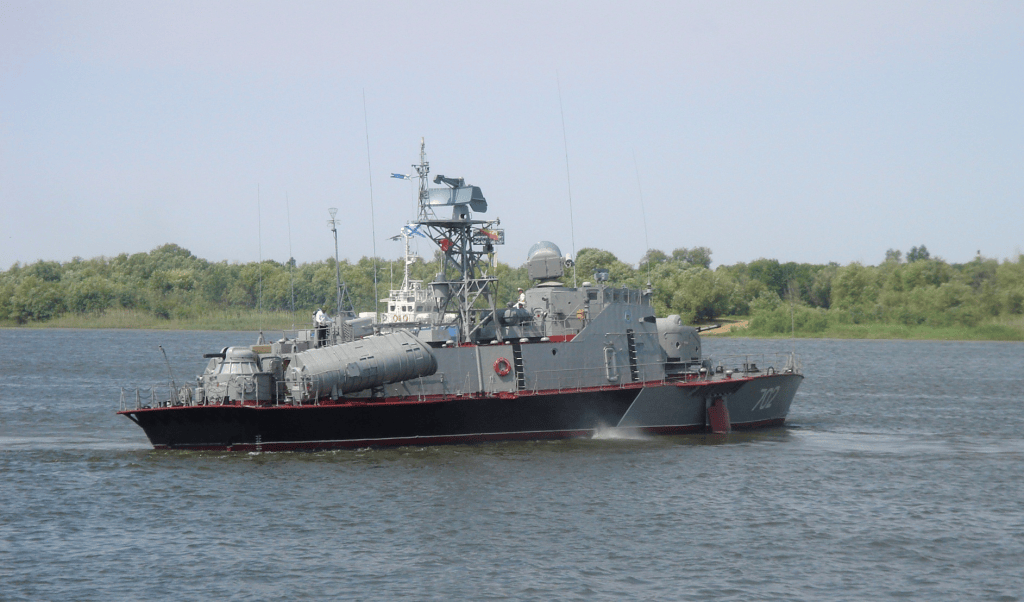
To simulate the security of its rear corridors during Tsentr 2026, the Russian Navy had to make do with whatever was left over. While the bulk of modern tonnage and high-performance units remain permanently sidelined, restricted, or methodically neutralized by the quagmire in Ukraine, the Caspian basin transformed into a showcase of sheer decrepitude.
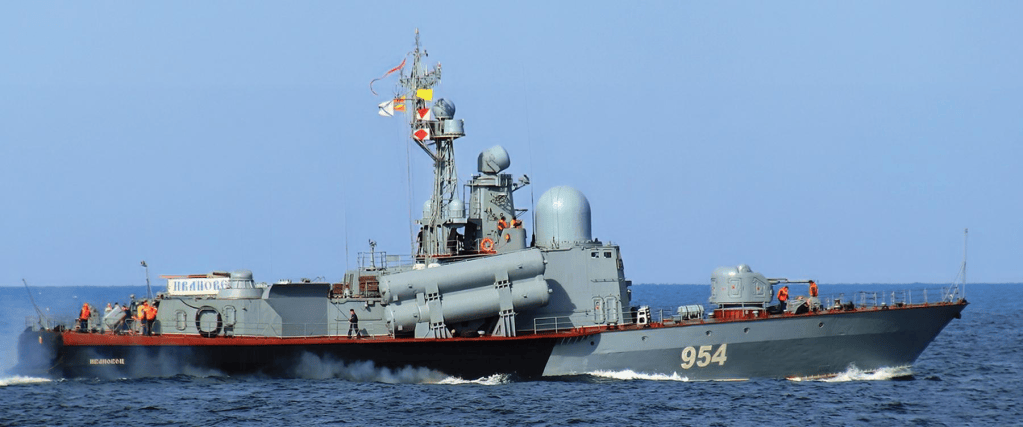
- Hulls from Another Century: The vast majority of mobilized vessels bear the heavy toll of passing decades. Between Soviet-era structural frameworks patched together in a hurry and wheezing propulsion systems, these corvettes and patrol boats struggle to conceal severe, systemic rust.
- The Illusion of Modernity: The live-fire drills and coastal artillery maneuvers carefully filmed from flattering angles for state television—amounted to little more than window dressing. Sensors, fire-control radars, and onboard communication systems suffer from a chronic technological lag compared to modern peer standards.
2. The technological bottleneck: when the defense industry stalls
Russia’s inability to modernize or maintain secondary fleets like the Caspian Flotilla stems directly from the attrition war in Ukraine, which has bled its production and maintenance capacities dry.
- Structural Shortages: Naval design bureaus and shipyards, already rocked by recurring cyberattacks and brain drains, are incapable of manufacturing advanced electronic components out of thin air. Cut off from critical Western components due to sanctions, the Russian military apparatus is forced to resort to inferior substitutes.
- Obsolete Combat Systems: The Caspian exercises underscored Moscow’s chronic inability to seamlessly integrate modern command networks (C4ISR). Faulty data links and the low reliability of missile guidance seekers aboard these aging vessels turn every exercise into a simulated drill completely disconnected from the realities of high-intensity electronic warfare.
Conclusion: a facade of power that’s taking on water
Tsentr 2026 was supposed to be a dazzling display of restored Eurasian hegemony. On the water, however, the Caspian Sea naval component delivered a brutal X-ray of Russian military decline: rusted hulls, obsolete artillery, and a crippling reliance on equipment completely unfit for modern warfare.
When a self-proclaimed superpower is reduced to parading floating antiques to impress its rivals, it is an undeniable sign that its entire arsenal is taking on water from every angle.


