


Electric pulse fishing used by demersal trawlers to lift flatfish from the seabed has raised worldwide concern for fish welfare and stock resilience. Short electrical discharges can trigger vertebral fractures, internal haemorrhages, bruising and burns in roundfish that pass through the field, not only in the catch. Early life stages are especially vulnerable: eggs, larvae and juveniles may suffer invisible mortality that weakens recruitment in crowded coastal shelves from the North Sea to the East China Sea, the Bay of Bengal and the Gulf of Guinea.

Biodiversity shifts and seabed degradation
Where pulse trawls operate, surveys often report lower species diversity and abundance, with assemblages tilting toward scavengers and detritivores classic markers of disturbed benthic systems. Even if pulse gear can reduce contact versus heavy tickler-chain beam trawls, repeated passes still abrade sediments, damage invertebrates and flatten biogenic structures such as reefs and seagrass. The combined mechanical and electrical footprint slows ecosystem recovery across soft-sediment nurseries in the Atlantic, Indian and Pacific basins.
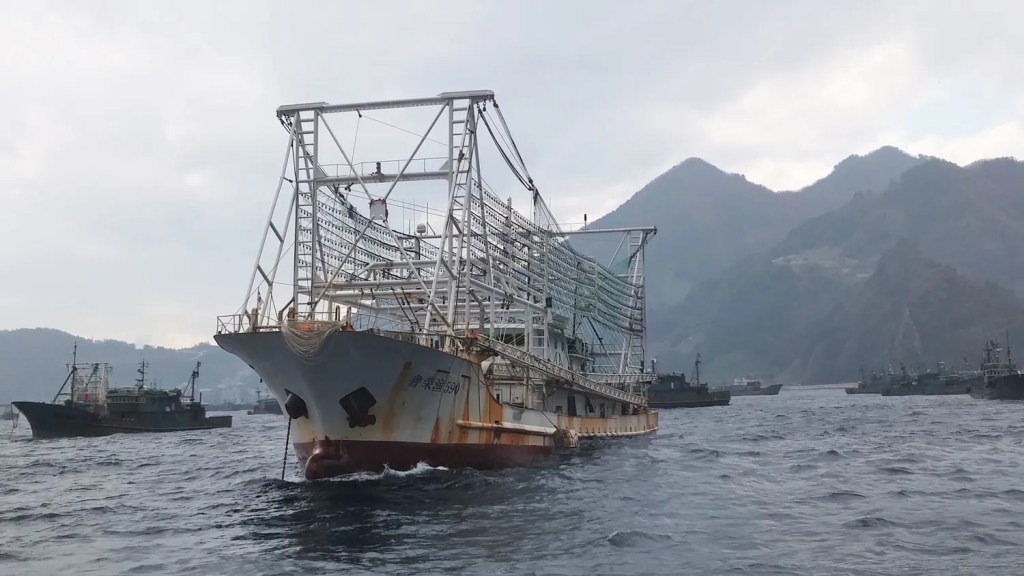
Overfishing risk and precaution at sea
High capture efficiency against bottom species can accelerate depletion where monitoring is thin and effort intense. Outside Europe, policies range from trials and temporary moratoria to strict gear controls, but a precautionary approach is gaining ground: improve selectivity, expand observer coverage and enforce spatial closures around sensitive grounds. Protecting benthic habitats and biodiversity and safeguarding food security for coastal communities—requires conservative harvest rules and credible at-sea enforcement.


