


With globalization, the oceans have become the main route for world trade and economy. But the movement of different ships causes a great deal of pollution: toxic gas emissions, noise pollution, waste water discharges. Not to mention the exploitation of underwater resources, which endangers the ecosystem. To combat the many dangers that threaten marine biodiversity, several international conventions and protocols have been put in place over the years.
UNCLOS general marine protection framework
The seas and oceans are crucial to the economy, accounting for over 80% of world trade. They have also become strategic geopolitical zones and security issues. The seabed is home to a wealth of resources (fish, minerals, oil and ore), which are the source of much covetousness and conflict. We need to define a framework and establish rules for the use of submarine land, ownership rights and exploitation, provided that biodiversity and the environment are preserved. It was against this backdrop that the United Nations Convention on the Law of the Sea (UNCLOS)
was signed in Montego Bay, Jamaica, on 10 December 1982. Currently bringing together 157 signatory states, the Convention is similar to a regulation of maritime spaces. If it is clearly established that the seas and oceans are spaces accessible to all but belonging to no-one, then regulations need to be introduced for the exploitation and use of underwater resources. This is why the Convention defines the limits of maritime territories (territorial waters, Exclusive Economic Zones, archipelagic waters and the seabed), so that each coastal State can enjoy its resources and underwater riches can be shared in good understanding. UNCLOS also determines the rights of movement of ships in the various maritime zones.

Using resources without damaging biodiversity
But while it ensures that wealth is shared, with a view to maintaining peace and good relations, the Convention also stipulates that if a State does not respect the biodiversity or the environment of its maritime zone, if the use of the subsoil becomes a threat to the ecosystem, it will not have its sovereign right of exploitation. Above all, the Convention reiterates the duty to protect marine flora and fauna. It establishes the International Tribunal for the Law of the Sea, which is responsible for managing conflicts concerning the rules governing the ownership of offshore zones and reserves, the exploitation of resources, respect for borders, the right of navigation and the protection of ecosystems. In 1994, the year UNCLOS came into force, the United Nations created the International Seabed Authority. The Authority is responsible for the High Seas, a territory beyond any jurisdiction, and for ensuring the protection of marine species.

Foundation of the European Union MSFD
The Marine Strategy Framework Directive was approved in 2008 by the European Union and the European Commission. The aim is to ensure that ‘good environmental status’ is maintained, a status that should have been achieved by 2020, and that resources are managed sustainably. ‘Good ecological status’ is defined as an environment that is healthy for biodiversity, free from pollution and conducive to the development of different species. The project is part of the Green Pact for Europe, the « Zero Pollution Plan » and the EU Biodiversity Plan 2030.
Member States must put in place national measures to achieve or maintain good environmental status. To do this, they carry out regular assessments and monitoring of the seabed and set objectives, such as combating the destruction of marine environments, combating pollution caused by chemical substances that are harmful to the ecosystem, combating the disappearance of natural habitats, and anticipating the consequences of climatic hazards. Everyone must take care of their marine areas.
The framework directive is divided into six-year cycles, during which the stages of monitoring and maintaining good ecological status are put in place. Good ecological status must be ensured according to 11 descriptors, such as non-indigenous species, marine waste, environmental contaminants and noise pollution. To optimise their actions, the Member States and the European Commission have set up a programme bringing together several regional seas conventions and NGOs. Despite significant progress in reducing marine litter, the 2020 targets have not been met, and the level of pollution still poses a threat to marine ecosystems.

Wildlife & biodiversity maritime law protection
The International Whaling Commission
In 1946, a year after the end of the Second World War, several states founded the International Whaling Commission (IWC). The aim was to fight for the preservation of cetaceans, in particular by preventing collisions and monitoring overfishing. The IWC brings together 88 States, and takes action to restrict whaling in international waters (High Seas) and in exclusive economic zones.
Whales play a very important rôle (link in french) from both an ecosystemic and a climatic point of view. They absorb carbon by storing it in their bodies, and when they die they carry it to the seabed, removing it from the earth’s surface and the atmosphere for thousands of years. Whales have such a capacity to absorb carbon that they contribute to a certain climatic balance. If they returned to a certain number, they could absorb up to 1.7 billion tonnes of CO2 per year. Unfortunately, according to the IUCN (International Union for Conservation of Nature), nearly 46% of baleen and sperm whales are threatened with extinction.
Initially, the IWC imposed a fishing limit, which was not necessarily respected. In 1986, a moratorium (legal suspension of an activity) on commercial fishing was established, with the aim of restoring the cetacean population. But several countries were opposed to the moratorium, and the IWC had to make concessions, especially for those whose sole purpose in whaling was to feed their populations, in particular to survive certain climates. This is the case for Denmark, Alaska and Chukota in Russia. But the fishing quota remains limited by the IWC. Although whaling has been reduced, the IWC is continuing its efforts to protect the environment. The Commission watches over cetaceans and continues to play a major role in their protection.

The CITES
The Convention on International Trade in Endangered Species of Wild Fauna and Flora (CITES), or the Washington Convention, was signed on 3 March 1973. It came into force in July 1975, and its main objective is to ensure that international trade in various animal and plant species has no impact on their survival or that of their habitat, or on their exploitation, and does not expose them to the threat of extinction. This includes live animals and plants, as well as products of plant or animal origin.
The global wildlife trade is a major issue, bringing in several billion dollars a year from the transport of several hundred million plants and animals. The role of CITES is to put in place a legal system to ensure that transported species are not categorized as endangered or critically endangered. To achieve this, the animals and plants must be accompanied by a certificate attesting that their trade is not detrimental to their development, that the species is not in danger of extinction, and that their seizure is legal. The authenticity of the documents is checked by border customs.
CITES collects data on the global trade in protected species and makes it available to the public. However, according to several researchers, it takes a decade from the time the IUCN puts a specimen on the endangered species list to the time it appears in the CITES appendices. The CITES appendices (I, II and III) list the categories of danger for the different species (threatened, endangered, threatened with extinction). This is a global trade, which is why several countries are cooperating to control the trafficking of certain species. More than 37,000 specimens are under CITES surveillance. Although CITES is not law, Member States must respect the framework and measures put in place by the Convention at national level.
The Ballast Water Management Convention
The International Convention for the Control and Management of Ships’ Ballast Water and Sediments (or BWM Convention), is an international treaty signed in 2004, adopted by IMO and entered into force in September 2017. Its main objective is to ensure that ships’ ballast water does not contain pathogens, invasive species or pollutants when discharged. Ballast tanks are large tanks on ships that are alternately filled and emptied with seawater. When the ballast is emptied, it is called deballasting. Deballasting can be dangerous for the environment if carried out in the wrong conditions. It can transmit bacteria and pollutants. Filling and emptying ballast helps to ensure safer navigation, by improving the boat’s stability, propulsion and manoeuvrability, while reducing the pressure on the hull.
As soon as the BWM Convention comes into force, ships must ensure that their ballast, before being emptied, is free of bacteria, pathogens or any other organism that would harm the ecosystem. The vessels concerned are those flying the flag of a Member State. They must comply with a number of standards and documents: an international ballast water management plan and certificate, and a ballast water register. There are two main standards to be applied: standard D-1, which stipulates that ballast water renewal must take place in international waters, so that parasitic or invasive organisms are not discharged into an ecosystem to which they could cause harm. Standard D-2 deals with the maximum quantity of organisms that can be discharged without harming human health. Ships may be inspected by a Member State to ensure the authenticity of ballast documents, provided this does not delay crewing or delivery.
The Convention of Biological Diversity
The Convention on Biological Diversity is an international treaty signed at the 1992 Earth Summit in Rio de Janeiro. It is a legally binding treaty, which means that if any of the 196 Member States (or Parties) fail to comply with the terms of the treaty, they can be taken to court. Parties to the treaty are required to take national action to preserve the environment, and to submit their reports.
The aim of the Convention is to protect biodiversity as a whole, to ensure the sustainable use of its resources, including genetic resources, and to ensure an equitable sharing of their benefits. Ultimately, the aim is to build a future that meets the criteria of sustainable development.
The Convention establishes two protocols, the Cartagena Protocol (2000) and the Nagoya Protocol (2010). The first is a global treaty on living modified organisms (LMOs) resulting from biotechnology, and the second deals with the sharing of benefits from the exploitation of genetic resources.
In the maritime sphere, the CBD operates in ecologically or biologically significant marine areas (EBSAs) and other marine territories that meet certain scientific criteria. The aim is to create a legally binding global body that would support the protection and preservation actions of UNCLOS, specifically in international waters.

Pollution from ships
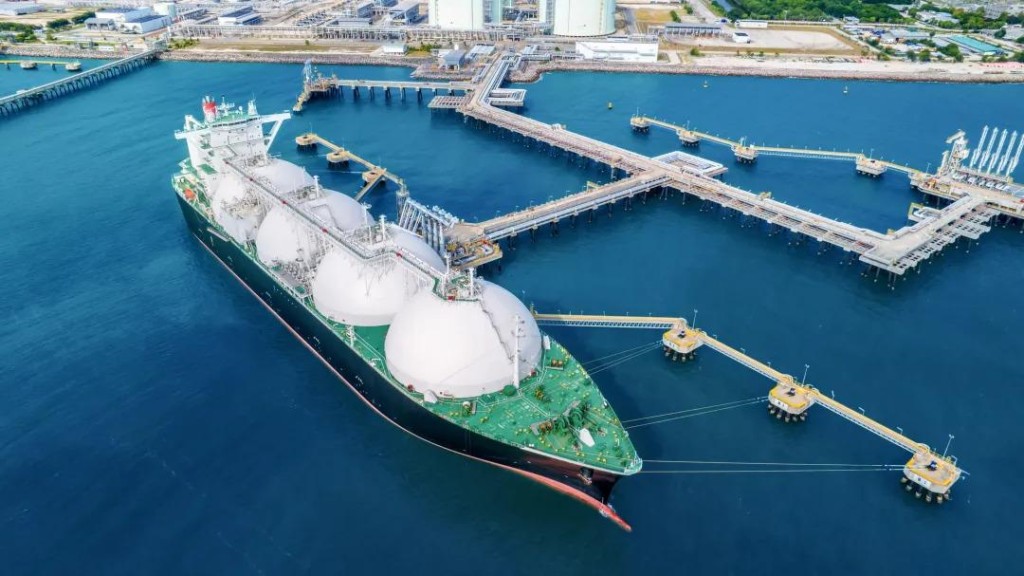
There are many types of pollution emanating from the various ships and containers. It can be chemical or noise-related. Many containers release gases such as CO2, nitrogen and sulphur oxides, which are harmful to the atmosphere. According to some Western governments, maritime transport is equivalent to one of the ‘world’s top ten emitting countries’. It accounts for 940 million tonnes of CO2 emissions every year, equivalent to 3% of global emissions.
This figure could rise to 17% by 2050 if nothing changes, according to the IMO. The fuels used for ships contain a lot of carbon and pollutants. The sulphur and nitrogen oxides released by burning fuel, combined with the speed of the engines, have lethal consequences for health, causing 50,000 deaths a year in Europe and contributing to acid rain. Cruise ships and ferries also contribute to the destruction of the marine environment, through the combustion of fuel and the release of toxic gases into the atmosphere and waste water into the sea.
The ravages of maritime noise pollution
Noise pollution, which is invisible yet dangerous, upsets the balance in marine areas. It is entirely linked to human activities such as sonar emissions, engine noise, tourist activities such as diving and jet-skiing, and the exploitation of oil resources.
Sound is vital for marine animals. They use it to communicate, to find their bearings and to signal for food. Noise pollution affects their health on several levels: it can make them permanently deaf, jamming their communication and preventing them from feeding properly. Many animals leave their natural habitat to escape noise pollution. The decibels produced by engines and underwater drilling are higher than the human ear can tolerate. Some frequencies have already led to the death of several whales. With globalisation, maritime traffic has become much more intense. According to the UN, some 106,715 ships were ‘in perpetual circulation’ in 2023. Unfortunately, this increase in traffic is leading to a rise in noise pollution, and therefore a serious threat to the marine ecosystem.
MARPOL Convention
he International Convention for the Prevention of Pollution from Ships was established on 2 November 1973 by the International Maritime Organization (IMO). It was set up to prevent and combat maritime pollution (accidental, functional or deliberate) caused by ships. Following several tanker accidents between 1976 and 1977, a Protocol was drawn up in 1978. As the 1973 Convention had not yet entered into force at that time, it was the 1978 MARPOL Protocol that took up its foundations and entered into force in 1983. Over the years, new articles were added.
The MARPOL Convention (MARine POLlution) sets out a number of rules to control marine pollution, the release of toxic gases into the atmosphere, and untreated wastewater discharged too close to the coast. Annex IV, for example, which came into force in 2003, prohibits the discharge of waste water into the sea close to the coast, unless the vessel uses an approved water disinfection system. Annex I, which came into force in 1983, requires new oil tankers to have a double hull to reduce pollution from oil spills in the event of a collision.
In 2018, the IMO launched a target to reduce greenhouse gas emissions from shipping by 50% by 2050. According to the UN, if measures are not taken to combat marine pollution effectively, by 2050 the amount of plastic waste will outnumber fish.
Combating waste dumping : London Convention
The London Convention was adopted in November 1972 and came into force in 1975. In 1977, the IMO took over management of the Convention. It is recognized as one of the first global treaties established to combat the destruction of the marine ecosystem caused by human activity. One of its main missions is to ensure that materials and organisms harmful to the marine environment are not discharged into the sea. The Convention was set up after a great deal of waste had been dumped in the oceans for a very long time without any action being taken. Since then, much less radioactive waste has been destroyed in the open sea.
In 1996, a new Protocol was put in place by the Parties (Member States). It came into force in 2006 and prohibits the dumping of all waste at sea. Previously, a specific permit was required, depending on the nature of the waste. Now, all but certain types of waste are authorised, as listed in an article of the Protocol. A permit is also required to dispose of the waste. It is specified that the aim is not to move pollution from one territory to another, but to reduce it and preserve the marine environment. It is the polluter who bears the responsibility and the costs of pollution. The Parties to the Protocol meet regularly each year to monitor progress.
Barcelona Convention: Protecting Biological Mediterranean Diversity
The Convention for the Protection of the Mediterranean Sea against Pollution (or Barcelona Convention) was ratified on 16 February 1976. It was set up to ensure the prevention and reduction of various forms of pollution from marine, air and land sources. The Parties cooperate to counter the threat posed by pollution, and to work on scientific advances. In addition to combating pollution, the aim is to restore the sustainable balance of the Mediterranean ecosystem and protect the environment. Several measures have been introduced: ‘combating pollution from ships and aircraft’, ‘protecting biological diversity’, ‘monitoring pollution’, ‘facilitating public access to information and public participation’.
To date, the Convention has seven Protocols. For example, the 1995 Protocol prohibits the dumping of waste other than authorised waste, such as fish waste and ‘uncontaminated inert geological material’.
International Conventions on ship recycling : Basel Convention
Signed in March 1989, the Basel Convention was established to combat the recycling (or dismantling) of ships, which has harmful consequences for human health, due to certain hazardous materials (used oils, asbestos). Some ship dismantling takes place far from the countries whose flags they fly, constituting a dangerous movement of toxic materials. The Convention is working with the IMO on recycling that is healthier for the environment and human health, as well as with MARPOL and the Hong Kong International Convention on Environmentally Sound Recycling.
Hong Kong Convention: Sound Recycling of Ships
he Hong Kong International Convention for the Safe and Environmentally Sound Recycling of Ships (or Hong Kong Convention) was adopted in 2009 and will enter into force on 26 June 2025. It was introduced to ensure better management of ship disposal, a practice deemed by the International Labour Organization to be ‘one of the most hazardous occupations to health’. The aim is to ensure better conditions for workers, who are exposed to the risk of illness, and better equipment. Ships are frequently dismantled in Bangladesh, China, Pakistan and India. Although the Convention recognises ship recycling as ‘the most environmentally-friendly solution for disposing of a ship at the end of its life’, the conditions are very hazardous to health, due to materials such as asbestos or polychlorinated biphenyls, which cause cancer. To mitigate these dangers, all new ships are required to draw up an inventory of hazardous materials, indicating their number and location. As for the facilities for demolition (or recycling) yards, they must comply with the standards of the Hong Kong Convention.
Nairobi Wreck Removal Convention
The Nairobi International Convention on the Removal of Wrecks, administered by IMO, was signed in 2007. It sets out
rules for the removal of wrecks from vessels located in Exclusive Economic Zones. These wrecks can pose a danger to the ecosystem, due to hazardous materials, but also to shipping, due to the risk of collision. Despite the progress made thanks to the work of the IMO and the international collaboration of several governments, the number of abandoned wrecks is on the rise. There are now almost 1,300 in the world. The risks for biodiversity and for human beings are increasing. The Convention also covers the consequences of objects lost at sea following a shipwreck (such as containers). However, the owners of the ships are responsible for their property and must take out insurance.
The complex landscape of marine environmental governance
espite all the conventions that have been put in place and the progress that has been made, a number of targets have not been met, such as the MSFD’s target of achieving ‘good ecological status’ by 2020. By 2025, this goal has not been achieved. The presence of veritable ‘plastic continents’ shows that new measures need to be introduced. Illegal fishing is still practised and a lot of waste is still thrown overboard. Often, it is the funding that is insufficient in the face of the scale of the challenges.
One of the main obstacles to collective action is self-interest. Every state in the world needs to work together to ensure that the measures put in place by the Conventions are applied as fully as possible. But this is not always easy. To cite one example, the International Whaling Commission came up against Japan’s difficulties in giving up whaling under the guise of scientific research. Despite bans and opposition from several governments, whaling has resumed, even though Japan no longer hunts in international zones.

World trade transits by sea, and the maritime journeys responsible for noise pollution are not going to decrease, which implies research into the development of quieter technologies, and therefore a cost. Despite a growing collective awareness of the need to protect the environment, economic interests must be reconciled. According to the United Nations Conference on the Oceans in 2022, much of the funding for sectors such as fishing is insufficient or poorly managed. As far as reducing marine pollution is concerned, we need to start by considerably reducing land-based pollution. According to the International Institute for Sustainable Development (IISD), 80% of marine pollution comes from polluted coasts and land-based waters. Plastics account for 60-90% of the waste thrown into the oceans. Limiting the use of plastics is sometimes more a matter of consumer choice than real awareness.


