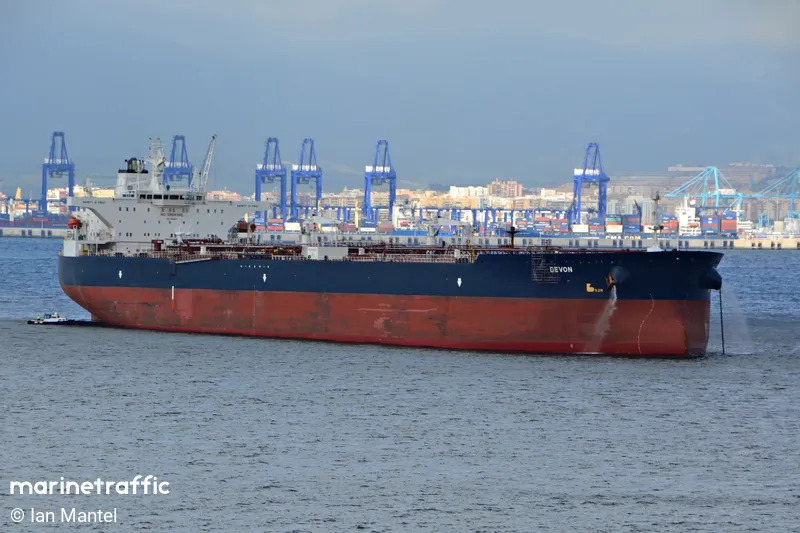
After a brief return to visibility, Iranian tankers go dark as most National Iranian Tanker Company units re-silenced their Automatic Identification System. Windward reported 52 of 88 tankers transmitting between 12–14 October, including nine inside Malaysia’s Johor ship-to-ship transfer box; days later only 25 remained on screen, and by 16 October just nine. The whiplash followed the UN snapback of sanctions on 28 September and a nervous strategic mood in Tehran after June’s “12-Day War”. Because roughly 90% of Iranian crude exports head to China, operators often broadcast in congested corridors such as the Strait of Malacca for safety and service calls, then darken again on blue-water legs. Maritime Executive

AIS patterns, STS hubs and commercial exposure
Brief AIS bursts around Malacca and the South China Sea reflect practical needs pilotage, bunkering and logistics yet they also expose facilitation networks behind sanctioned flows. Chinese buyers and service providers remain cautious about secondary sanctions, adding pressure on charterers and intermediaries to limit digital traces. The clustering of Iranian hulls near Johor’s STS area underscores the role of Malaysia’s EEZ as a transshipment waypoint before longer voyages toward China. The more the fleet transmits continuously, the easier it becomes to map ship-to-ship chains, flagging practices and beneficial ownership links.
Sanctions calculus and maritime compliance signal
Russia and China say they will not recognise the UN mandate reinstating sanctions, but that stance has not removed operational risks for carriers, ports or financiers. The brief transparency may have aimed to project normalcy; the rapid return to silence suggests a recalibration as enforcement pressure rises and the optics of visible transits become awkward. Expect intermittent AIS in choke points, continued use of STS boxes, and layered obfuscation across registries behaviour that sustains flows while complicating monitoring, insurance and compliance decisions.