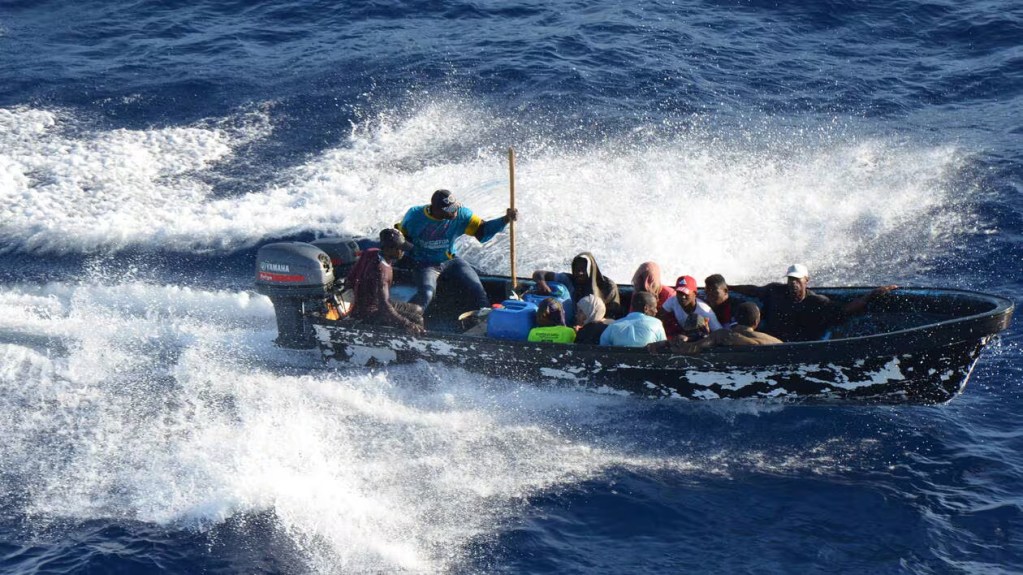
The Kwassa Kwassa Crisis represents one of the most acute maritime security challenges in the Indian Ocean, specifically within the narrow and volatile Mozambique Channel. The kwassa kwassa is a small, motorized fishing boat—typically constructed from wood or resin—that has become the primary vessel for irregular migration between the Union of the Comoros (particularly the island of Anjouan) and the French department of Mayotte. This perilous 70-kilometer sea crossing is notoriously dangerous, earning the situation the grim moniker of the “Kwassa Kwassa tragedy,” with an estimated loss of life in the thousands over recent decades. This is a clear-cut humanitarian disaster interwoven with complex issues of border security and sovereignty, as the vast disparity in economic conditions acts as a powerful push factor for migrants seeking a better life in the French territory.
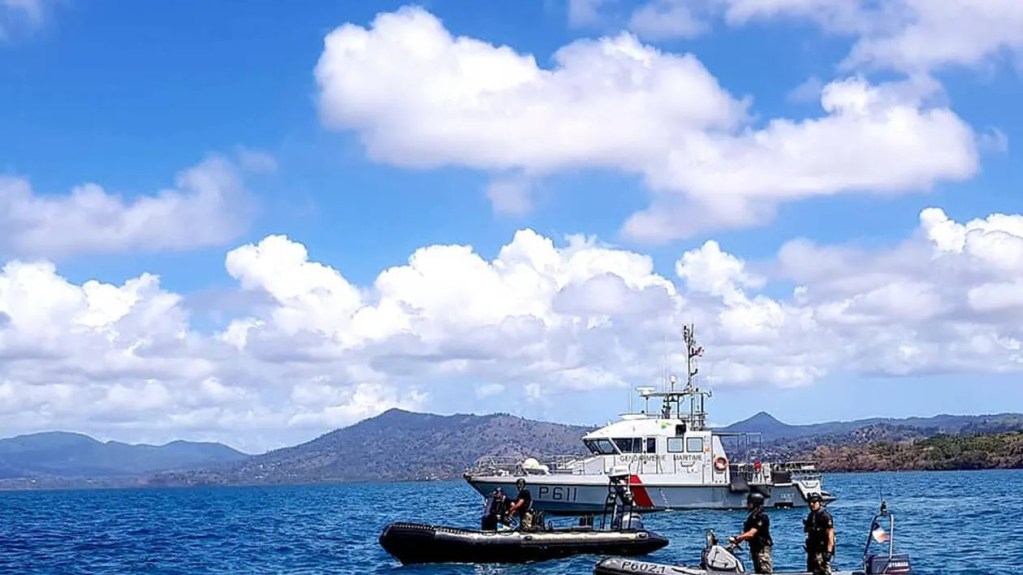
The security response to this persistent influx heavily relies on robust maritime interception operations conducted by French Law Enforcement agencies, including the Police aux Frontières (PAF) and the Gendarmerie Nationale. Patrol vessels, such as the high-speed interceptor Titan, are routinely deployed within Mayotte’s Territorial Waters to detect and apprehend these small, overloaded boats, which often lack basic safety and navigation equipment. In 2023 alone, hundreds of kwassa kwassas were intercepted, leading to the apprehension of thousands of passengers. These operations are not without controversy, as they involve high-stakes chases and challenging Search and Rescue (SAR) missions, sometimes leading to accusations of violent interceptions or collisions at sea, underscoring the lethal nature of this maritime frontier.
The future of the Kwassa Kwassa Crisis hinges on both political dialogue between Comoros and France and continued efforts to combat the human trafficking networks that profit from these dangerous voyages across the Mozambique Channel. The ongoing vigilance of naval and maritime security forces is crucial for both deterrence and the essential task of safeguarding human life in the Indian Ocean. As Mayotte’s status as a European outermost region reinforces the draw for migrants, the pressure on French maritime assets to manage the flow while respecting international Law Enforcement standards in such a complex geopolitical zone will remain a primary focus for regional and international maritime security analysts.