


The rarity of atypical pigmentation in coastal waters
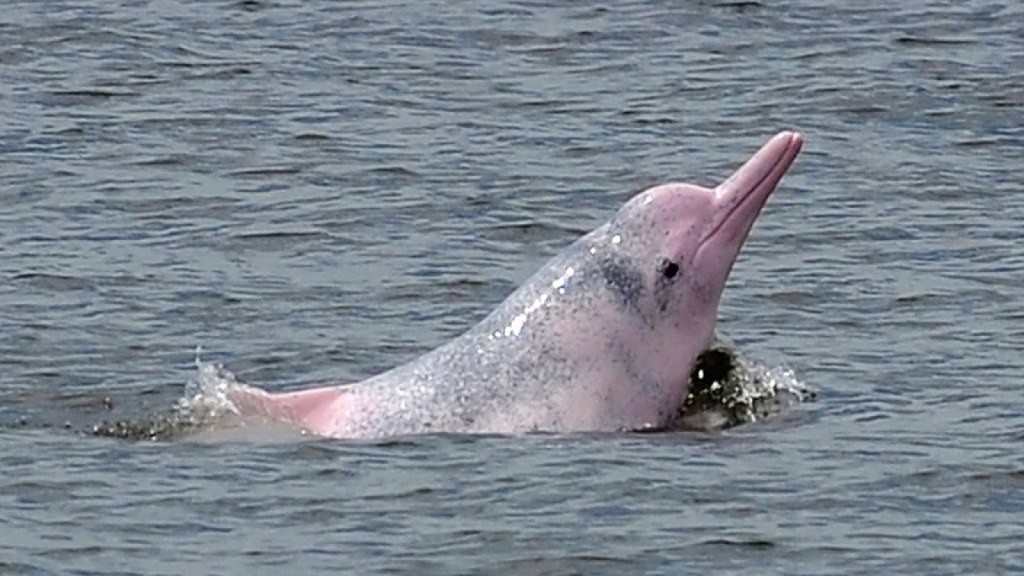
The global maritime community’s attention was captured by an extraordinary event on April 4, 2023, in South Africa when a rare Albino Dolphin was sighted. This specific encounter, which coincidentally occurred on a couple’s wedding day, involved a juvenile Cetacean integrated within a large pod of approximately 200 Indo-Pacific Bottlenose Dolphins (Tursiops aduncus) in Algoa Bay. This extensive area, located in the Eastern Cape, stretches roughly one hundred kilometers along the coast, from Cape Recife to the Bushman’s River. The rare animal was first spotted by Captain Lloyd Edwards, who operates Raggy Charters, an Ecotourism company based in Port Elizabeth. The juvenile was a small specimen, estimated to be only about one month old and measuring approximately one meter in length. The rarity of the sighting—possibly the first of its kind in the region—provides critical data for Marine Science on the genetic health of local Marine Mammal populations.

Albinism vs. Leucism: Defining the genetic mutation
To understand the full implications of this sighting, it is essential to distinguish between Albinism vs Leucism. Albinism is a rare Genetic Mutation characterized by the complete lack of pigmentation (melanin) in the skin and eyes, causing the affected animal to appear entirely white, often with telltale pink eyes, and rendering it highly sensitive to light. This is what the entirely white coloration of the Albino Dolphin calf strongly suggests. In contrast, Leucism involves only a partial loss of pigmentation, resulting in white or pale patches while eye color, and typically vision, remains normal. For affected Cetaceans, albinism usually reduces their chances of survival in the wild, mainly due to the lack of camouflage (increasing Predation risk) and impaired vision, which can complicate foraging and navigation in coastal waters.
Survival dynamics and adaptive strategies
Despite the biological challenges, the survival forecast for this young Albino Dolphin is cautiously optimistic. Captain Edwards noted that there is a “good chance” the calf will reach adulthood if it survives the coming months. This hopeful prognosis is based on two factors fundamental to dolphin biology. First, major threats to large dolphins, like Orcas or large sharks, are not thought to be significantly deterred by coloration, and therefore, the white hue may not drastically alter the Predation calculus. Second, and more importantly, dolphins primarily utilize sound Echolocation for hunting, communication, and orientation, mitigating the handicap of poor eyesight. The calf’s integration into a large pod is crucial, as the communal nature of these Marine Mammals ensures protection and assistance, effectively transforming the group’s social structure into a vital component of the Albino Dolphin‘s Pod Survival strategy.


