


Crew Testimony Sheds Light on IRGC Qods Force Operations
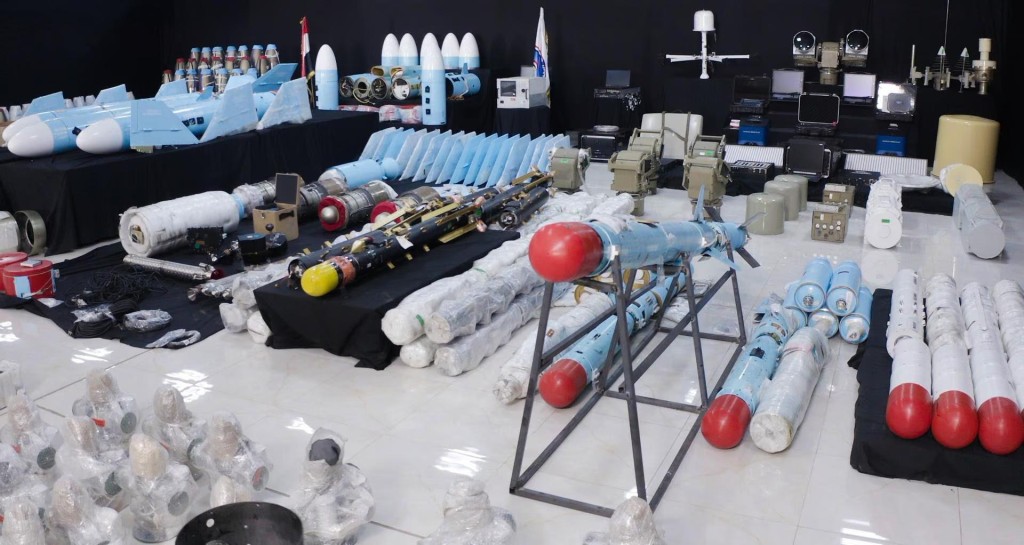
A recent report by Yemen’s National Resistance Forces (NRF) has unveiled the clandestine methods used by Iran to smuggle arms to Houthi forces. The findings are based on testimony from the crew of the dhow Al Sharwa, intercepted in July with a 750-ton cargo of weapons, ammunition, missiles, and components.
Traditionally, crews of stateless dhows carrying illicit arms are manned by non-affiliated sailors, often ethnic Baluchis. However, this interception revealed four crew members directly linked to the Houthis. According to the NRF, these men had traveled to Iran to undergo military training with the Islamic Revolutionary Guard Corps (IRGC) Qods Force in camps dedicated to preparing foreign proxies.
The crew provided detailed intelligence on three established smuggling routes, including names and positions of IRGC and Houthi officers involved, corrupt dockside officials, and logistical hubs. All three routes have reportedly been disrupted, but the IRGC is known for its adaptability, and new channels are likely being developed.
Three Main Iranian Arms Smuggling Routes to Yemen
1. Direct Commercial Shipping from Iran to Salif
The first route, described as the “front door” channel, relied on overt commercial shipping from Bandar Abbas to the Yemeni port of Salif. This method was typically used for transporting dangerous cargo such as binary or unstable rocket fuel requiring special handling or refrigeration. Recent Israeli and U.S. air strikes have severely disrupted this route.

2. Mother Ship Transfers off Somalia
The second method used a mother ship anchored off Somalia, transferring weapons to Yemeni fishing boats for delivery to Houthi-controlled ports. This practice is believed to involve the IRGC vessels MV Saviz and its sister ship MV Behshad, both registered to the sanctioned Islamic Republic of Iran Shipping Line Group (IRISL). The Saviz was damaged in an unattributed limpet mine attack on April 6, 2021, and replaced by Behshad in July 2021. In January 2024, Behshad shifted position to the Gulf of Aden near Djibouti, reportedly to avoid another attack.

3. Front Companies and Smuggling via Djibouti
The third route involved front companies shipping arms through commercial channels to Djibouti, from where smaller dhows transported the cargo to Hodeidah and Salif. This operation relied on falsified consignment papers and the cooperation of corrupt officials in Djibouti.

Conclusion
The Al Sharwa interception not only disrupted a major arms delivery but also exposed the intricate network behind Iran’s weapons supply to the Houthis. While the identified smuggling routes have been compromised, the IRGC’s history of rapid adaptation suggests that alternative methods may soon emerge, posing continued challenges for maritime security in the Red Sea and Gulf of Aden.


